Recovery Massage for Athletes and Surfers
7 min read
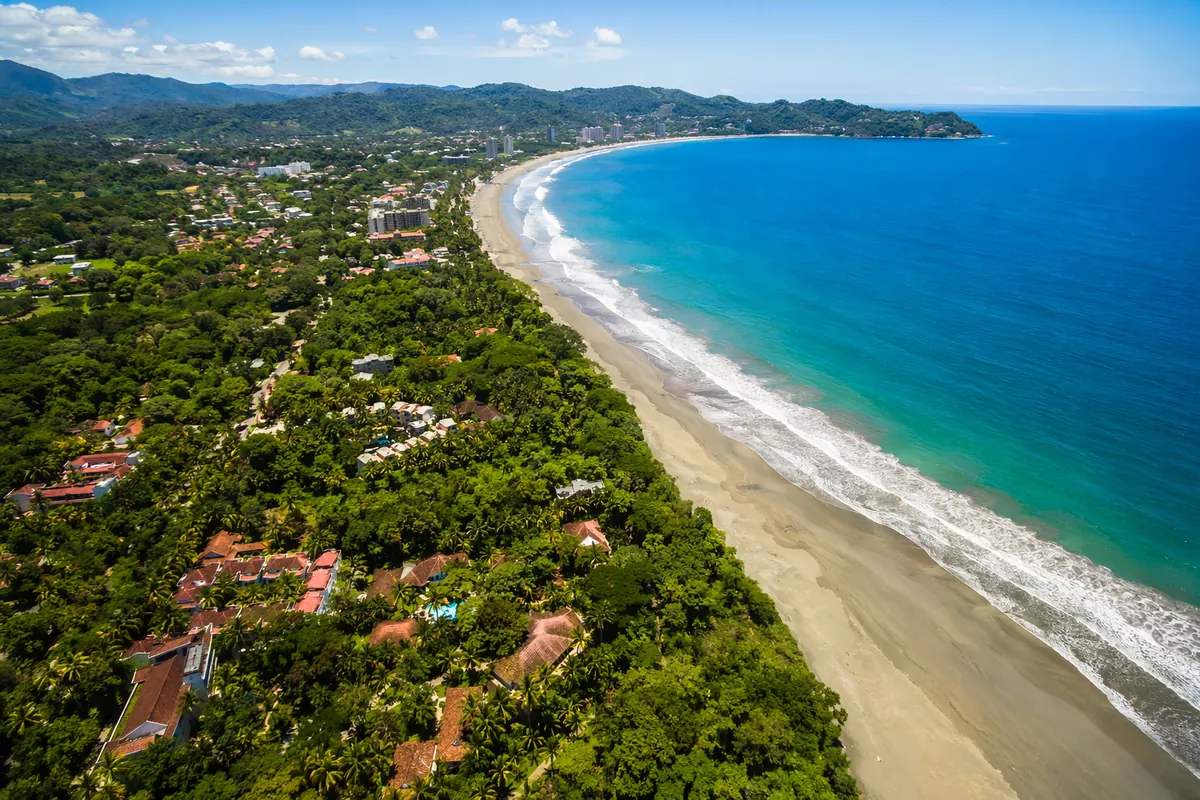
Jaco and Playa Hermosa are world-renowned surf destinations, attracting athletes from around the globe. But the physical demands of surfing—and other adventure sports—require proper recovery. Here's how massage therapy can keep you performing at your best.
Why Athletes Need Recovery Massage
The Physical Demands of Surfing
Surfing engages virtually every muscle group:
- Paddling: Shoulders, arms, upper back, core
- Pop-ups: Chest, triceps, hip flexors
- Riding: Legs, core, ankles, feet
- Duck diving: Full body compression and extension
After multiple sessions, these muscles accumulate tension, micro-tears, and lactic acid that need to be addressed for optimal recovery.
Common Issues for Surfers
- Tight shoulders and upper back from paddling
- Lower back pain from arching during paddling
- Hip flexor tightness from pop-ups
- Knee and ankle strain from turns
- Neck tension from looking up while paddling
Types of Recovery Massage
Sports Massage
Specifically designed for athletes, sports massage combines deep tissue techniques with stretching and joint mobilization. It's targeted to the specific demands of your sport.
Deep Tissue Massage
Focuses on the deeper layers of muscle tissue, using slow, deliberate strokes to break up adhesions and release chronic tension patterns.
Myofascial Release
Targets the fascia—the connective tissue surrounding muscles. Particularly effective for surfers who develop restricted movement patterns.
Trigger Point Therapy
Identifies and releases specific points of tension that refer pain to other areas. Common trigger points for surfers include the infraspinatus, upper trapezius, and quadratus lumborum.
When to Book Your Recovery Massage
Best Timing
- After a heavy surf day: Book for the evening to aid overnight recovery
- Rest day: Perfect for a longer, more thorough session
- Before a big swell: Light massage 24 hours before can improve performance
- Mid-trip: Prevent accumulated tension from cutting your trip short
Frequency Recommendations
- Casual surfers: 1-2 sessions per week-long trip
- Daily surfers: Every 2-3 days
- Competition/intensive: Daily light sessions with deeper work every 3 days
Benefits of Regular Recovery Massage
- Faster recovery: Many people find their muscles feel less tight and sore
- Injury prevention: Identifies tight areas before they become injuries
- Improved flexibility: Better range of motion means better surfing
- Better sleep: Essential for physical recovery
- Reduced inflammation: Helps manage the body's stress response
- Mental clarity: Reduces cortisol and promotes relaxation
Pre-Surf vs Post-Surf Massage
Pre-Surf (Light, 30 minutes)
- Increases blood flow to muscles
- Improves flexibility and range of motion
- Activates the nervous system
- Should be done 2-4 hours before surfing
Post-Surf (Deep, 60-90 minutes)
- Flushes lactic acid and metabolic waste
- Reduces muscle tension and soreness
- Promotes recovery and healing
- Best done within 2-6 hours after activity
Tips for Surfers
- Stay hydrated: Drink extra water before and after massage
- Communicate: Tell your therapist exactly where you're sore
- Don't push through pain: If something hurts too much, speak up
- Stretch daily: Complement massage with daily stretching
- Ice first, massage later: If you have acute inflammation, ice before massage
Beyond Surfing: Other Athletes We Serve
Our recovery massage services are also popular with:
- Golfers (Los Sueños Golf Course)
- Hikers and trail runners
- Sport fishermen
- Yoga practitioners
- CrossFit enthusiasts
- Cyclists
Book Your Recovery Session
Don't let muscle tension cut your surf trip short. Contact us via WhatsApp to book a recovery massage session. Our therapists understand the specific needs of athletes and will customize your treatment for optimal recovery.
Whether you're a weekend warrior or a professional athlete, proper recovery is the key to performing your best and enjoying every moment in the water.